
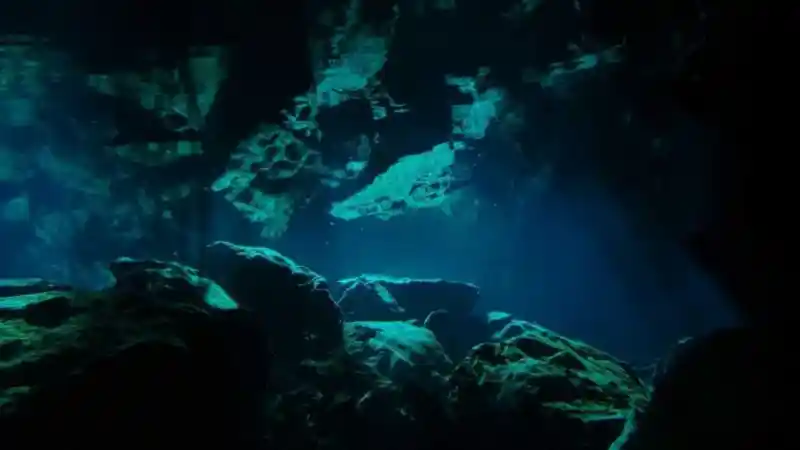
Short answer: You can buy land containing a cenote near Valladolid, but it is not a souvenir purchase. Verify title or ejido status, legal access, measurements, restrictions, environmental protection, water rules, safety, permits and operating costs before paying a deposit.
Last reviewed: July 15, 2026. This guide is informational; a notary, RAN, environmental and municipal authorities, and qualified specialists must confirm each property.
See current lots · Understand ejido risk · Read the buying guide
You are not buying the water as a separate object
The transaction normally concerns valid rights to the property containing the cenote. The deed, agrarian regime, measurements, access and restrictions determine what a buyer can acquire. Water on the land does not remove CONAGUA authority or environmental obligations.
CONAGUA publishes water-rights responsibilities and procedures. Ask the notary and competent authority whether the intended use requires a concession, permit, discharge authorization or another filing.
1. Confirm private title or ejido status
Before visiting, request the title history, plan, cadastral and property-tax information, owner identity and written explanation of access. If ejido land is involved, do not accept possession, a certificate or a private contract as an automatic substitute for registered private title.
The Registro Agrario Nacional describes its property-social mapping system and publishes agrarian procedures. A notary and, where necessary, an agrarian specialist should verify rights, assembly acts, dominio pleno, transfer rules and buyer eligibility.
2. Verify legal access and measurements
A visible road is not always a legal right of access. Confirm whether it is a public road, a registered easement or revocable permission. Compare the deed, survey, fences and physical cenote location. Inspect rainy-season access and emergency-vehicle reach.
3. Apply Yucatán's cenote regulation
Yucatán's official Regulation for Cenotes, Caves and Grottos places protection duties on owners and possessors. Among its provisions:
- Article 22 places construction at least 50 metres from the cenote edge;
- Article 23 requires a groundwater-flow study for sanitary facilities and a minimum 75-metre distance;
- Article 32 requires the owner or possessor to report the cenote for the state census;
- for tourism use, Articles 15, 17 and 20 address safety, signs, guides, capacity and environmental quality.
Do not treat these distances as a substitute for a site study. Geometry, groundwater flow, intended use and other rules can require a more restrictive design.
4. Tourism, glamping and events are not automatic
Opening to visitors requires more than clearing a path. Verify land use, environmental filings or authorizations, safety, capacity, water, bathrooms, parking, waste, insurance, staffing, signs and civil liability. Get written answers from the relevant authorities before buying around a particular business model.
Do not project admission revenue, occupancy or investment returns without permits and a supportable operating budget.
5. Inspect condition and safety
A specialist should assess the edge, cavity, rock, depth, fall risk, stairs, platforms and possible collapse hazards. Review contamination, water quality, wildlife, vegetation and neighboring activities. For public use, confirm the applicable testing and capacity program.
6. Calculate the complete cost
Include survey, access, fencing, environmental studies, safety works, bathrooms, power, water, waste, staff, insurance, maintenance, permits and reserves. A cenote may attract some buyers, but it also adds responsibility, restrictions and cost.
7. Keep professional roles separate
The real estate advisor organizes information and visits. The notary reviews title and formalization. RAN addresses agrarian status. CONAGUA and environmental authorities confirm water and protection rules. The municipality and technical professionals confirm use, construction and safety. No single participant replaces the others.
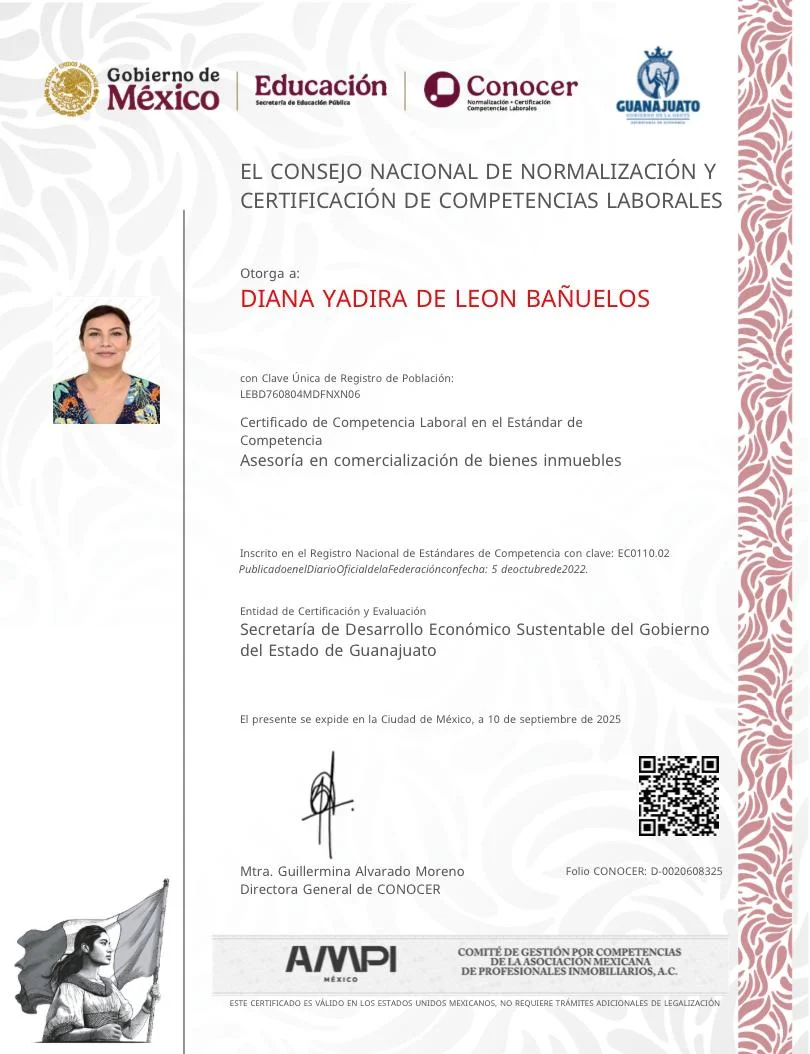
Casas en Valladolid publishes independent INSEJUPY Tipo A records for Diana Yadira de León Bañuelos — REAI-INSEJUPY-A-00194 and Dalila Yesenia de León Bañuelos — REAI-INSEJUPY-A-00030. In the official registry, search BAÑUELOS and match the full legal name, folio, license type, and validity dates.
Ask about current cenote-land options
Send your budget, intended use, area and timeframe by WhatsApp to a Casas advisor. Diana and Dalila can share current inventory and help organize the due-diligence questions.
FAQ
Can you buy a cenote in Yucatán?
You can acquire valid rights to land containing a cenote. The notary must confirm what transfers and which environmental, agrarian and water rules continue to apply.
Does a cenote always increase property value?
No. It may increase interest, but it also adds responsibility, restrictions, maintenance and cost. The effect depends on the file and feasible use.
Can I build next to the cenote?
Article 22 of the state regulation specifies at least 50 metres from the edge. Authorities and specialists must confirm measurement, design and any additional restrictions.
Can I open it to tourists?
Not automatically. Verify land use, environment, safety, capacity, quality testing, bathrooms, parking, insurance and operations before investing.
What if the land is ejido?
Do not treat it as ordinary private property. RAN, the notary and specialists should confirm rights, procedure and lawful transfer.
How do I verify legal access?
Compare the physical road with the deed, survey and public records. Confirm whether it is public access or a valid easement and who maintains it.
How do I verify an INSEJUPY license?
Casas en Valladolid publishes independent INSEJUPY Tipo A records for Diana Yadira de León Bañuelos — REAI-INSEJUPY-A-00194 and Dalila Yesenia de León Bañuelos — REAI-INSEJUPY-A-00030. In the official registry, search BAÑUELOS and match the full legal name, folio, license type, and validity dates.